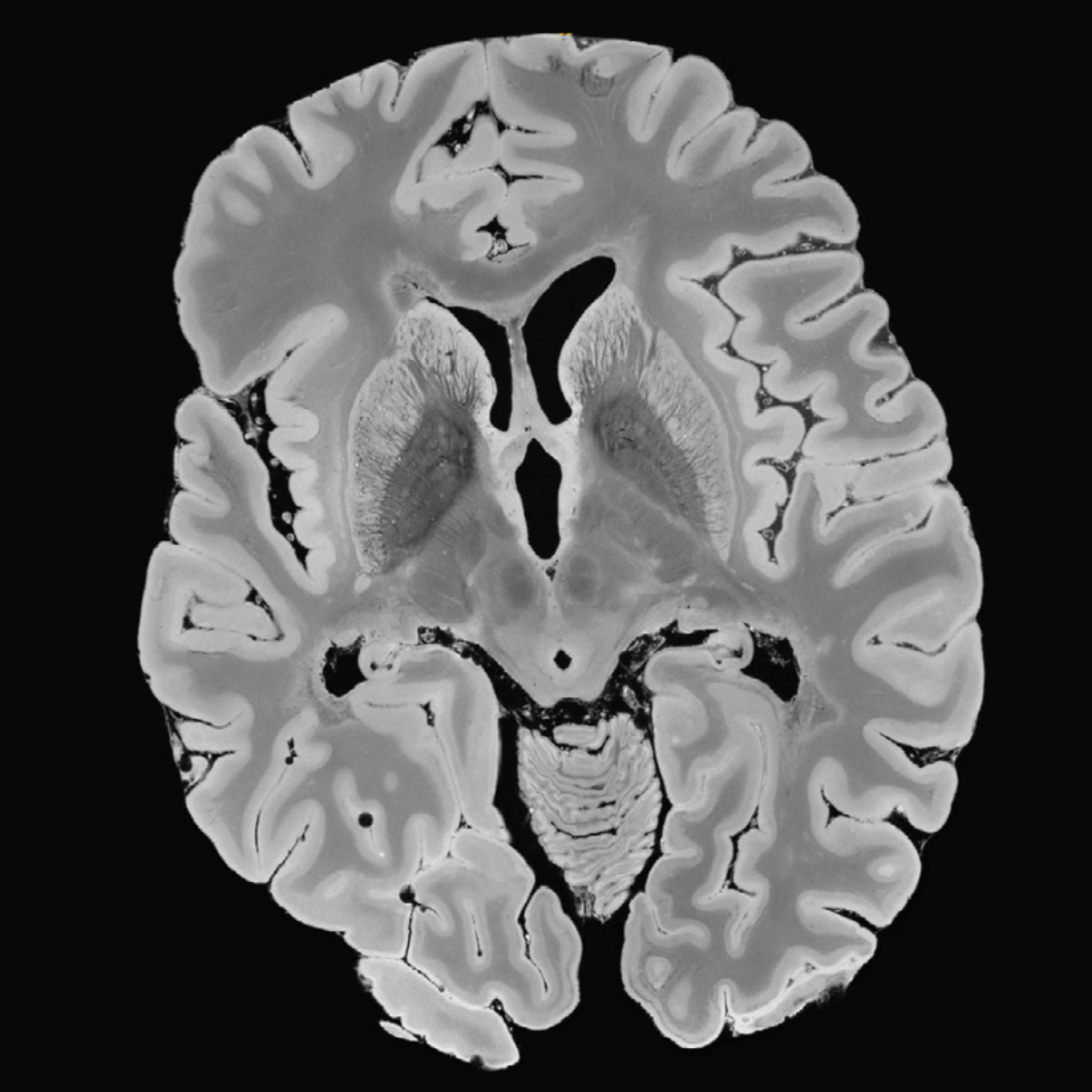
A recent study titled "Diagnostic Performance of Cortical Lesions and the Central Vein Sign in Multiple Sclerosis" has been published in the prestigious Journal of the American Medical Association (JAMA) Neurology. The study, led by researchers Dr. Alessandro Cagol, Prof. Cristina Granziera, and Prof. Ludwig Kappos contributes to the field of neurology by providing clinicians with better tools and insights for more accurate differentiation of multiple sclerosis (MS) from other neurological conditions that exhibit brain lesions on magnetic resonance imaging (MRI).
The study analyzes data from 1051 participants from 14 European centers within the MAGNIMS consortium. The participants included those with a diagnosis of MS, clinically isolated syndrome (CIS), or non-MS conditions associated with white matter lesions.
This research has set a major milestone in the diagnosis of MS as it provides strong evidence for the diagnostic use of these specific biomarkers for MSTo explore the diagnostic performance of Cortical Lesions (CLs) and the Central Vein Sign (CVS), in isolation and in combination was investigated for various cutoffs. A random forest model was used to rank the diagnostic importance of CLs and CVS compared to conventional MRI features, such as the presence of infratentorial, periventricular, and juxtacortical white matter lesions (WMLs). The results indicated that both CVS and CLs exhibited superior performance in comparison to conventional MRI features, aiding in the diagnosis of MS. The diagnostic performance of the CVS exceeded that of CLs and was increased when combining these two markers.
For more details, please refer to the full publication here.